Start with the architecture
Texas homes range from limestone ranch houses to glass-walled modern builds, and each one calls for a different touch. The ideas below are starting points. Your actual plan will depend on materials, trees, how you use the yard and what you see during a night demo. For technique basics, read our guide to landscape lighting techniques.
A few principles hold across every style. Light the things you want people to notice, leave some areas dark for contrast, and keep fixtures out of sight so the effect gets the attention. Warm color temperatures suit most Texas materials, from limestone and brick to cedar and stucco.
Hill CountryLimestone and stone homes
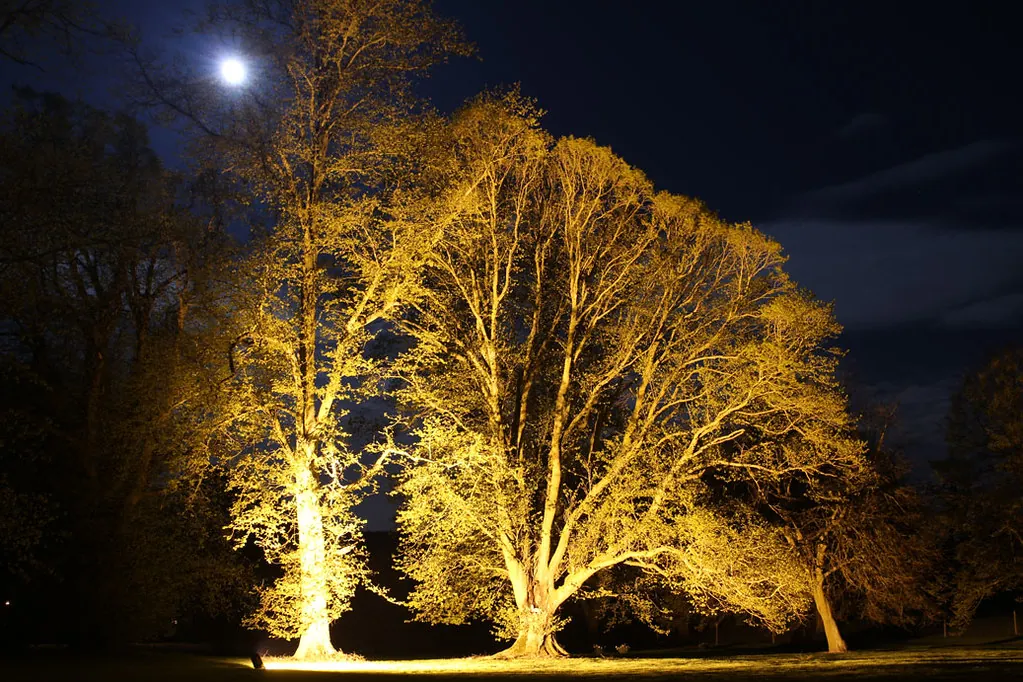
Graze limestone walls with fixtures set close to the base so the light rakes across the texture. Uplight live oaks from two sides to show off their wide canopies, and keep color warm, around 2700K, to bring out the honey tones of the stone.
Gulf CoastCoastal and raised homes
Wash raised porches and stair runs so the house feels grounded, and silhouette palms against the night sky. Choose brass or copper fixtures with sealed connections to stand up to salt air and humidity.
Modern farmhouseBoard and batten, metal roofs
Use narrow beams to highlight vertical siding and gable peaks, then add soft down lights on the porch. Simple, evenly spaced path lights suit the clean lines without looking busy.
MediterraneanSpanish revival and stucco
Wash smooth stucco with wide, soft light to show off arches and clay tile rooflines. Highlight courtyards, fountains and potted plants, and use warm color to complement terracotta and wrought iron.
TraditionalBrick colonials and classic homes
Balance the facade with symmetrical uplights on columns and between windows. Add gentle path lighting along the front walk, and accent foundation shrubs to frame the entry.
Mid-centuryLow, horizontal modern homes
Emphasize long rooflines and clerestory windows with low-profile fixtures that disappear by day. Light sculptural plants and breeze block walls for graphic shadows, keeping brightness restrained.
Ranch & acreageLong drives and big lots
Mark driveway entries, gates and curves rather than lining every foot of the drive. Uplight a few signature trees for depth, and plan wire runs and transformer placement carefully to avoid voltage drop over long distances.
UrbanSmall lots and townhomes
Small spaces need fewer, better-placed fixtures. Light one feature wall or tree, add step lights for safety, and use dimmable fixtures so the patio feels intimate rather than floodlit.
Ideas that work on almost any home
- Light the walk to the door. Even spacing and soft, downward light make arrival safe. See our path light spacing guide.
- Feature one great tree. A well-lit live oak, cedar elm or palm adds depth instantly. Our tree uplighting guide explains how.
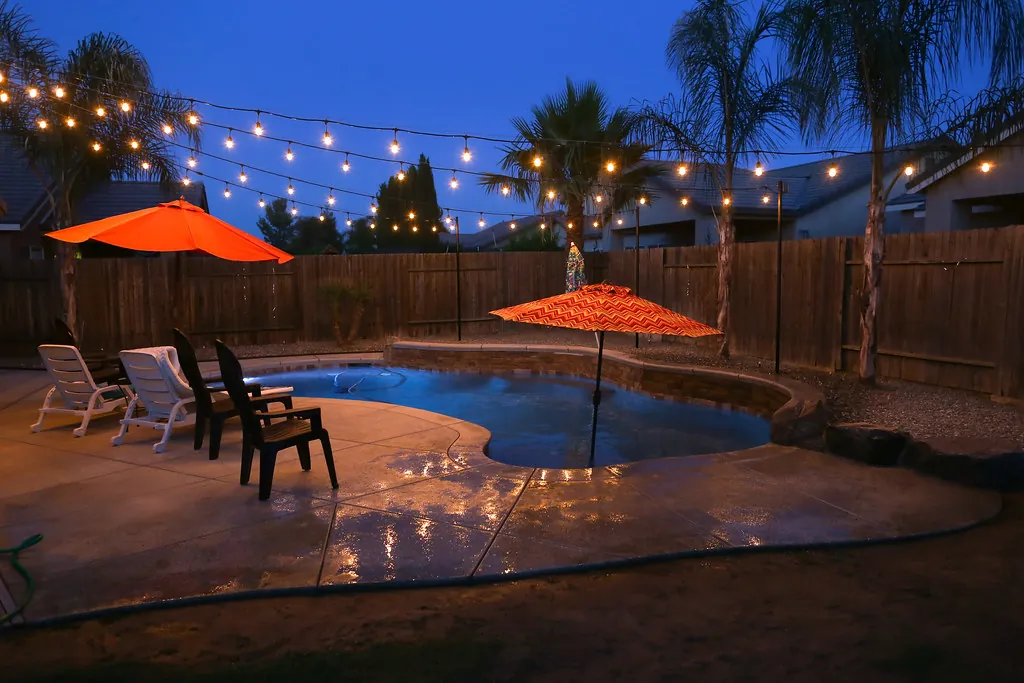
- Make the backyard usable. Patio and pool lighting extends evenings outside.
- Add smart control. Zones and dimming let you switch moods for parties or quiet nights.
Don't forget the backyard
Front yards get the curb appeal, but backyards are where Texas families spend warm evenings. Soft down lighting from trees or eaves gives a moonlit feel over a patio, step lights keep stairs and pool edges safe, and a few uplights on back fences or trees stretch the space visually so it feels larger after dark. Keep the lighting layered so you can dim the yard for a quiet dinner or bring it up for a crowd.
If security is part of the goal, light entries, side yards and dark corners near the house. Our article on landscape lighting for home security explains how to do it without harsh floodlights.
See ideas on your own house
Photos help, but nothing beats seeing light on your own home. Try our lighting visualizer to explore effects, browse our architectural lighting service, or book a free night demo and we will bring fixtures to test in person.
Get my free lighting plan