Built for 100-degree summers
Solid brass and copper fixtures shed heat and do not chalk or fade under Texas UV. LED drivers rated for high ambient temperatures last far longer in a fixture sitting on sun-baked mulch.
Low-voltage LED lighting that shows off the stone, brick, columns and rooflines of your home after dark, designed for Texas heat, storms and HOA rules.
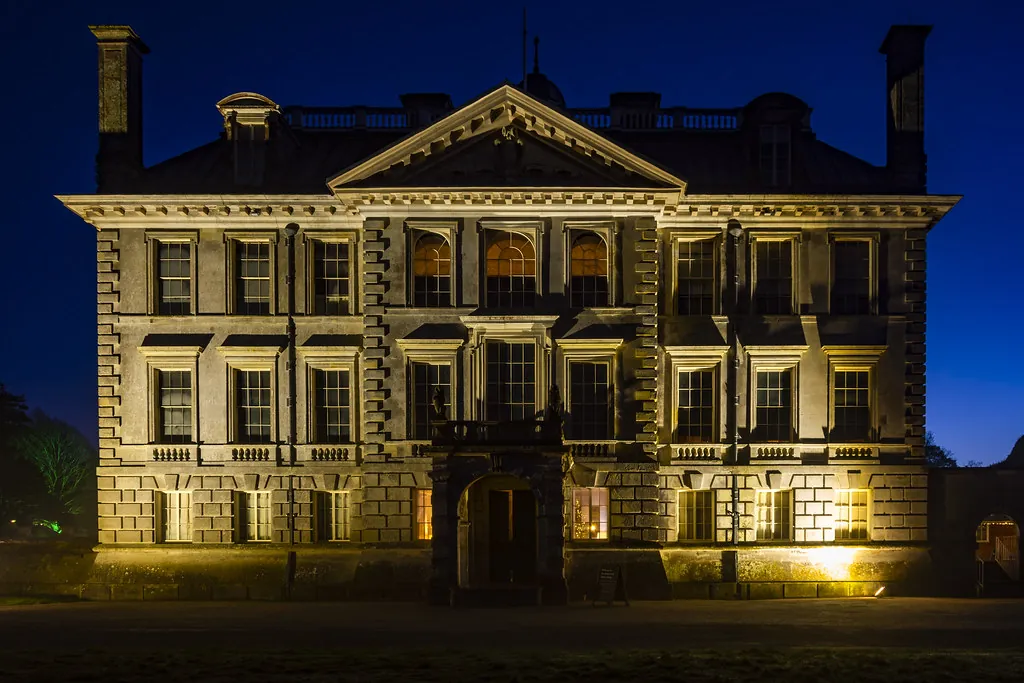
Good architectural lighting in Texas does one thing well: it lets your house keep its daytime character after the sun goes down. The limestone you picked still reads as limestone. The columns still look structural. The entry still feels like the front door instead of a dark gap between two bright windows. Everything else, from beam angles to wire runs, is in service of that goal.
Texas Landscape Lights designs and installs custom 12V LED systems for homes across the state, from brick traditionals in Dallas to Hill Country stone in New Braunfels and stucco along the Gulf Coast. Every project starts with a free consultation and a night demo, so you see the effect on your own walls before anything is buried.
A facade is not one surface. It is a collection of features, and each one wants a different treatment.
The two core techniques in architectural lighting are washing and grazing, and the difference comes down to fixture distance and beam spread.
Grazing places an uplight 6 to 12 inches from the wall and aims it nearly parallel to the surface. The light skims across every ridge and mortar joint, throwing tiny shadows that make Austin chopped limestone, tumbled brick or ledgestone look three-dimensional. A 15 to 25 degree beam works well here. Grazing is unforgiving on flat stucco, though, because it exaggerates every trowel mark and patch.
Washing moves the fixture back 2 to 4 feet and uses a wider 40 to 60 degree beam to spread light evenly. It suits smooth stucco, painted siding and Hardie board, where the goal is a soft glow rather than drama. On larger homes we often combine both: grazing on a stone turret or chimney, washing on the stucco field next to it.
Columns, pilasters and the corners of a house look best with a single narrow beam, usually 10 to 25 degrees, centered at the base. On a two-story facade this is how we reach a gable peak without mounting anything on the roof. Spacing columns evenly and matching output on each one matters more than raw brightness. A mismatched pair is the first thing a visitor notices.
| Feature | Typical fixture | Beam angle | Typical LED output |
|---|---|---|---|
| Stone or brick wall (grazing) | Well light or bullet uplight | 15 to 25 degrees | 2 to 4 watts, 150 to 300 lumens |
| Stucco or siding (washing) | Wide flood or wall wash | 40 to 60 degrees | 3 to 6 watts, 200 to 450 lumens |
| Single-story column | Bullet uplight | 15 to 25 degrees | 2 to 4 watts |
| Two-story column or gable | Narrow spot | 10 to 15 degrees | 5 to 8 watts, 400 to 600 lumens |
| Entry or porch | Soffit downlight or wide wash | 35 to 60 degrees | 3 to 5 watts |
These are planning ranges, not rules. Dark brick absorbs far more light than white limestone, and a home on a lit street needs less output than one on a rural lot. We tune every fixture on site during the night demo and again at the final adjustment visit.
Color temperature has a bigger effect on architecture than most people expect. Warm 2700K light brings out the cream and gold in Texas limestone and the reds in brick. Cooler 4000K light can make the same stone look gray and flat, and it reads as commercial. For most homes we recommend 2700K, with 3000K as an option for white stucco, modern facades or crisp gray brick. Our color temperature guide shows the difference side by side, and the warm white vs. cool white article explains when to break the rule.
We also pay attention to color rendering. A fixture with a CRI of 90 or higher shows materials accurately. Cheaper LEDs at CRI 80 can make warm stone look slightly green, especially on camera.
Solid brass and copper fixtures shed heat and do not chalk or fade under Texas UV. LED drivers rated for high ambient temperatures last far longer in a fixture sitting on sun-baked mulch.
In Houston, Katy and Galveston-area homes, salt air and humidity attack cheap aluminum. We specify brass or marine-grade finishes with sealed lenses and gel-filled wire connectors.
North Texas hailstorms crack thin glass. Recessed lenses, tempered glass and shrouded fixtures give uplights near walls a better chance of surviving a spring storm.
The best architectural lighting is the kind where you notice the house, not the fixtures. That means every uplight gets a shroud or a glare guard, and each one is aimed so the bright part of the beam lands on the wall, not in a neighbor's bedroom window or a driver's eyes. In master-planned communities like The Woodlands or Frisco, HOA guidelines often spell this out. Dark-sky friendly design follows the same logic: aim light at surfaces, keep it below the roofline where possible and avoid bare, unshielded sources.
If your HOA requires architectural review, we can provide a written plan with fixture types, finishes and placement for the committee.
Tip: Ask to see the facade lit from the street, not just from the front walk. Most people view your house from the curb or a car, and that is where uneven columns or a hot spot on a window are most obvious.
Architectural fixtures sit right at the foundation line, which in much of Texas means expansive clay that swells after rain and shrinks in drought. Stakes driven straight into that soil tilt within a season. We set fixtures on longer stakes or concrete-anchored mounts where needed and leave a service loop in the wire so the fixture can move slightly without pulling a connection apart. In the Hill Country, where caliche and limestone sit a few inches below the surface, we trench carefully or route wire along bed edges instead of fighting the rock.
Wire is sized to the run. Long runs to the far corner of a house lose voltage, and an under-voltage LED can flicker or dim. We calculate load and distance for every run before choosing a transformer and wire gauge. Connections are made with waterproof, gel-filled connectors rather than the push-pierce clips that come with big-box kits, because those clips are the most common failure point we see in landscape lighting repair calls.
Finally, architectural lighting rarely stands alone. Most homeowners pair it with path and driveway lighting for safe arrival and a few uplit trees to frame the house. Everything runs on the same low-voltage system and can be grouped into zones on a smart timer.
We design architectural lighting for homes in Dallas, Houston, Austin, San Antonio and communities in between. The approach shifts with the region: more corrosion protection near the coast, more hail-resistant fixtures in North Texas and careful trenching on rocky Hill Country lots. The goal stays the same everywhere: a home that looks intentional and welcoming at night.
Want to see what your facade could look like before the demo? Try the lighting visualizer, then book a free consultation and we will bring fixtures out after dark to test them on your walls.
Most Texas homes look best at 2700K, which flatters limestone, brick and wood. White stucco or modern facades sometimes suit 3000K, and we confirm the choice during the night demo.
Not when the design is layered. We light selected features at different intensities instead of flooding the whole wall evenly, which keeps the result residential and inviting.
Yes. Narrow-beam uplights placed at the base can reach a second-story gable or column, and soffit-mounted downlights can be added where an eave makes that practical.
The fixtures run on a 12V low-voltage transformer that plugs into a standard exterior GFCI outlet. If you do not have one in the right spot, a licensed electrician adds it before installation.
Most HOA rules focus on glare, light trespass and fixture visibility. Shielded, aimed fixtures in a warm color temperature usually satisfy them, and we can provide a written plan for your architectural review committee.
Share a few details and we will reach out to schedule a free consultation. We will talk through your goals, look at the property and, where it helps, show you a night demo before you decide anything.
Talk to Texas Landscape Lights about a custom lighting plan for your property, anywhere in Texas.