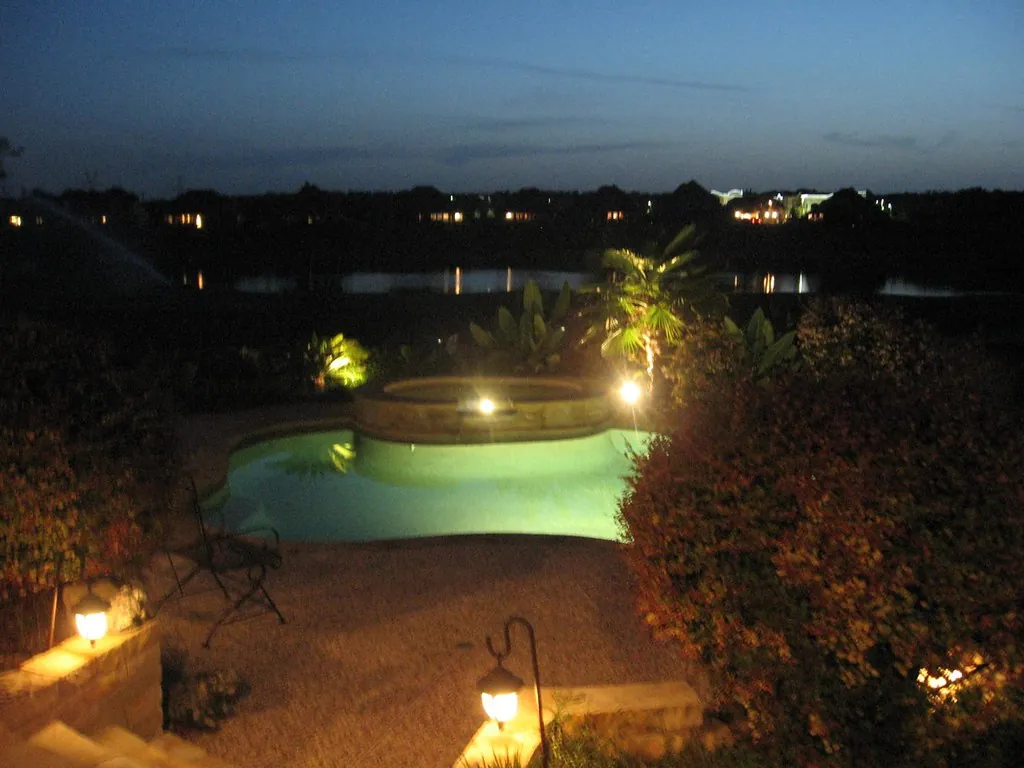
Few states put outdoor equipment through as much as Texas. In one year, the same yard can see a tropical storm, a week of triple-digit heat, a hailstorm and a hard freeze. If you want to protect landscape lighting from storms, the work starts long before the forecast turns ugly: it begins with how the system is designed and installed, then continues with a simple routine before and after each event.
This guide covers the major Texas threats region by region, the design choices that make a system resilient, and practical checklists you can use every storm season.
The Texas weather threats, region by region
Hurricanes and tropical storms
Atlantic hurricane season runs June 1 through November 30. In Houston, Katy, Sugar Land and along the coast, the main risks are wind-driven rain, storm surge in low areas, flying debris and days of standing water.
Flash floods
The stretch along the Balcones Escarpment from Austin through San Antonio and New Braunfels is often called Flash Flood Alley. Heavy rain on thin soils and steep terrain can turn dry creeks into torrents within minutes.
Hail and severe storms
Dallas, Fort Worth, Plano and Frisco sit in one of the most active hail regions in the country. Spring storms bring large hail, high winds and the occasional falling limb.
Freezes and extreme heat
The February 2021 winter storm showed that hard freezes can reach every part of the state. Summer heat is the slower threat, stressing transformers, gaskets and cheap plastic fixtures every year.
Design choices that protect landscape lighting from storms
The most storm-proof system is the one built for Texas conditions from the start. If you are planning a new install or a major upgrade, these choices matter more than anything you do the night before a storm.
GFCI protection and a proper outlet
Your transformer should plug into a GFCI-protected outdoor receptacle with an in-use cover rated for wet locations. GFCI protection cuts power if current leaks to ground, which is exactly what can happen when water reaches the 120V side. If you need a new outlet or circuit, a licensed electrician should handle it. The lighting system itself runs at 12V.
Transformer elevation
Mount the transformer well above grade. Twelve inches is a common minimum, but in flood-prone neighborhoods or low spots along a bayou or creek, higher is better. Keep it away from downspouts, low corners where water collects and areas that flooded in previous storms.
Sealed connections
Connections are the weak point in most systems. Twist-on or pierce-style connectors that are not sealed let water wick into the copper, which corrodes over time and causes flicker, dimming and dead runs. Professional installs use waterproof, gel-filled or heat-shrink connectors designed for direct burial.
Fixture materials
Solid brass and copper fixtures shrug off humidity, salt air and most hail. They also develop a natural patina instead of rusting. Tempered glass lenses resist impact better than thin plastic. For in-ground well lights in areas that hold water, choose fixtures with drainage designs and proper gravel beds beneath them.
Wire depth and routing
Burying low-voltage cable at a consistent depth, typically around 6 inches, protects it from shovels, aerators and erosion. Route wire away from drainage swales where floodwater runs fastest.
Tip: Choose an astronomical timer or controller in a sealed housing. If power flickers during a storm, a quality controller keeps its schedule, and smart controls let you switch the whole system off from your phone. See our smart lighting controls service for options.
Before the storm checklist
When a named storm or severe weather outbreak is in the forecast, take 20 minutes for these steps.
- Photograph and video every fixture, the transformer and its label, both in daylight and lit at night. Keep receipts and any proposals with your records.
- Turn the system off at the transformer or controller if flooding or a long outage is likely.
- Bring in or secure loose items near fixtures: pots, furniture, decor and anything that could become debris.
- Trim or note dead limbs over fixtures and wire runs, and call an arborist for anything large.
- Make sure the transformer cover is closed and the outlet's in-use cover is latched.
- Clear leaves and debris from well lights and drains so water can escape.
- Ahead of a freeze, make sure the transformer enclosure is closed and clear of drifting debris.
After the storm checklist
Once it is safe to be outside, walk the yard in daylight first, then again after dark.
Stay safe around power
Do not approach a transformer or outlet sitting in standing water. If the receptacle was submerged, have a licensed electrician inspect it before restoring power.
Inspect in daylight
Look for knocked-over fixtures, cracked lenses, exposed wire, washed-out soil around stakes and debris piled against fixtures.
Document damage
Take photos and video before cleaning anything up, using the same angles as your before-storm pictures when you can.
Dry out and reset
Let the system dry, reset the GFCI if it tripped, and check that the timer kept its schedule.
Test after dark
Turn the system on and walk every zone. Note any fixtures that are dark, dim or flickering, which often points to water in a connection.
Re-aim and re-seat
Straighten tilted fixtures, firm up stakes and re-aim lights that wind or water pushed out of position.
Warning: If a GFCI trips again right after being reset, stop and do not keep resetting it. Something is still wet or damaged. Leave it off and call a professional.
Documenting your system for insurance
We are not insurance advisors, and every policy is different. Still, a little documentation now can make a big difference later. In general:
- Keep a simple inventory: number of fixtures, fixture types, transformer model and installation date.
- Store copies of your proposal, invoice and product information somewhere off-site, such as cloud storage.
- Refresh your before photos once a year and after any changes to the system.
- Ask your agent how outdoor fixtures and landscaping are treated under your policy before storm season, not after.
Winter freezes and summer heat
Storms are not only about wind and water. The February 2021 freeze cracked plastic fixtures and brittle wire jackets across the state, and ice-laden limbs crushed fixtures beneath them. Brass fixtures and quality direct-burial cable ride out freezes far better.
Heat is the threat Texans forget. A transformer baking on a west-facing wall at near-full load runs hot all summer. Leave load headroom and pick heat-tolerant materials, as covered in our guide to the best landscape lighting for Texas heat. Our seasonal maintenance checklist folds storm prep into a year-round routine.
A yearly pre-season tune-up
The best time to protect landscape lighting from storms is a calm week in late spring, before hurricane season and after the worst of the North Texas hail. A once-a-year tune-up catches the slow problems that storms turn into failures:
- Reseal or replace any connection showing green corrosion or brittle insulation.
- Re-bury wire that has worked its way to the surface in beds and along borders.
- Tighten fixture stakes and mounts, especially on slopes and near drainage paths.
- Confirm the GFCI outlet tests and resets correctly using its test button.
- Check that the transformer mounting is solid and the enclosure gasket still seals.
- Look up at trees holding moonlight fixtures and have dead branches removed.
Small fixes like these cost far less than replacing a run that failed during a storm, and they keep your system ready for the long nights of fall and winter.
Storm damage repair across Texas
If a storm has left part of your system dark, our landscape lighting repair team can trace failed runs, replace damaged fixtures, reseal connections and rebalance voltage. We work with homeowners from Houston and the Gulf Coast to Austin and North Texas.
Whether you are recovering from a storm or want a system built to handle the next one, start with a free consultation and a written proposal.